

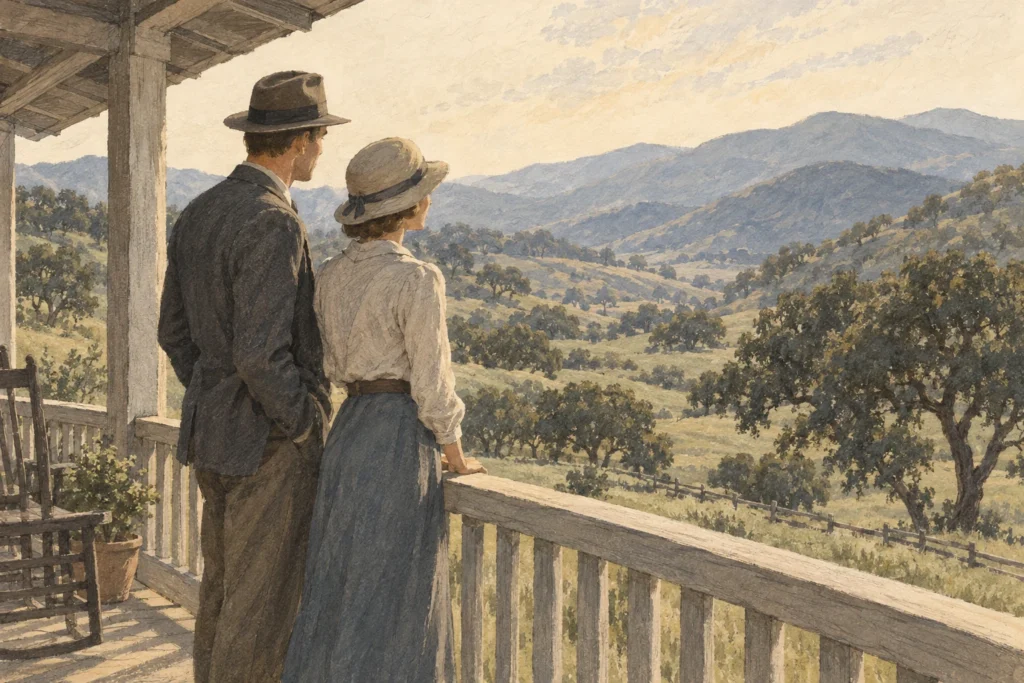
AI-generated editorial illustration: an imagined couple in approximate early-20th-century clothing, not a verified likeness or archival photograph.
Frances Dee and Joel McCrea married on 20 October 1933. McCrea died on 20 October 1990. Dee’s 2004 obituary in the Los Angeles Times noted that he “died on their 57th wedding anniversary in 1990” (Los Angeles Times).
Both were working actors with careers of their own. Dee was a star by 1930 and made more than 50 films before she left the screen in her mid-forties. McCrea made 86 films and is best remembered for his westerns. Together they raised three sons on a working cattle ranch in Ventura County, and part of that ranch is now public land.
Related reading: Evolvarium’s profile Ruth and Marty Ginsburg: A Marriage That Took Turns follows another couple with two careers.
Key Takeaways
- Dee made more than 50 films over about 25 years, and McCrea made 86 over three decades, according to two Los Angeles Times pieces.
- Dee left acting after her third son was born, when she was 44.
- McCrea is best remembered for westerns but also worked in thrillers and comedies.
- According to the ranch’s foundation, McCrea bought the Ventura County ranch in the early 1930s on Will Rogers’ advice. The couple raised their three sons there.
- The family agreed in 1995 to pass the ranch to the Conejo Recreation and Park District. The district says the transfer took effect in 2004. The district runs the ranch, and a foundation named after the couple raises money to support it.
Contents: How they met · Frances Dee’s career · Joel McCrea’s career · The ranch · Later years · Key dates · Sources
A meeting arranged by a photographer
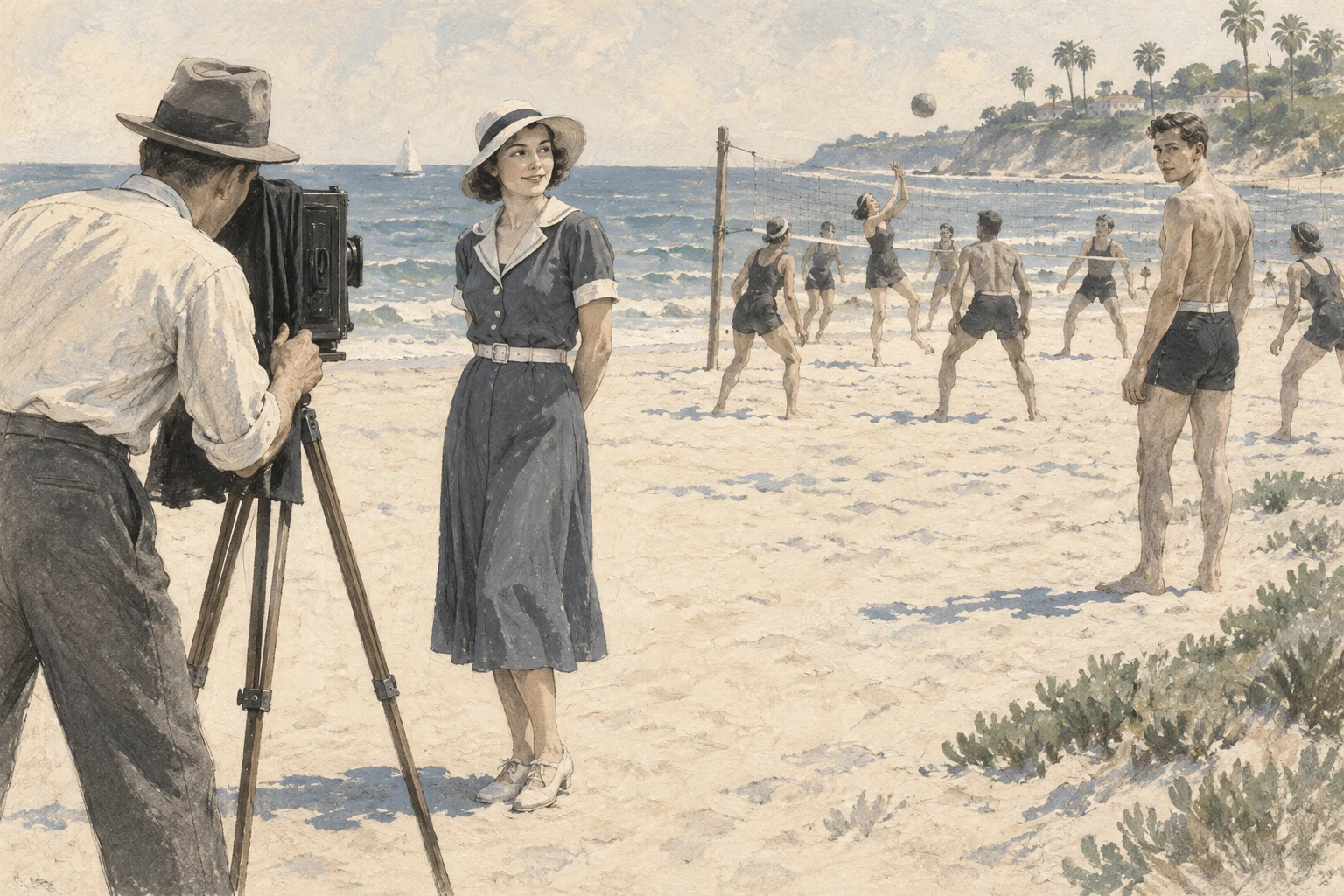
Myrna Oliver’s Times obituary says Dee met her future husband when she was taken to the beach for studio publicity photos. The photographer asked a tall man from a nearby volleyball game to pose with her. That man was McCrea (Los Angeles Times).
They married after starring together in The Silver Cord. The obituary quotes the film historian Leonard Maltin on Dee’s performance: she “delivered a first-rate performance as a sensitive, lovesick girl dominated by her fiance’s possessive mother.” The paper called their 57-year marriage “one of Hollywood’s most durable” (Los Angeles Times).
Related reading: Timeless Bonds: The Power of Creative Partnerships, from Evolvarium.
Frances Dee’s career
According to the Times, Dee was born Frances Marion Dee on 26 November 1909 in South Pasadena and grew up in Chicago.
A break in the Paramount commissary
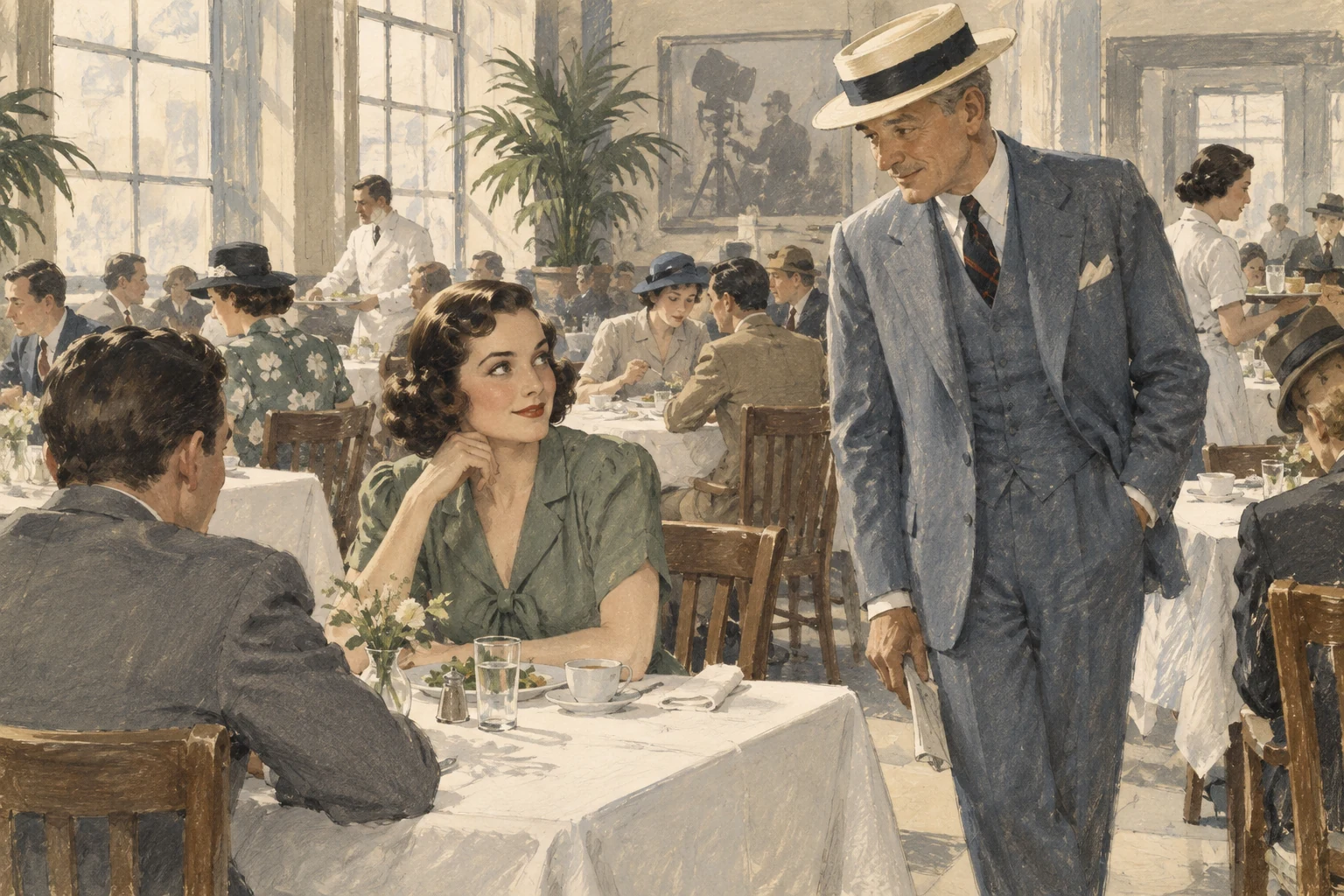
The Paramount producer A.C. Lyles had known Dee since she signed with the studio as a contract player in 1929, and he told the Times how her break came. In his account, she had appeared as an uncredited extra in about half a dozen films. She was having lunch with the actor Stuart Erwin in the studio commissary when Maurice Chevalier noticed her and insisted that she play his leading lady in Playboy of Paris, released in 1930. The film made her a star. Lyles’ story is a reminiscence told more than 70 years later, not a documented record of the moment (Los Angeles Times).
More than 50 films
The Times credits Dee with more than 50 films over about 25 years. She played Meg alongside Katharine Hepburn, Jean Parker and Joan Bennett in the 1933 Little Women, and she was the second female lead to Bette Davis in the 1934 Of Human Bondage. Her favourite of her own roles, the obituary says, was Mirabel in the 1935 comedy The Gay Deception. She also auditioned for Melanie in Gone with the Wind. According to the paper, David O. Selznick turned her down because he feared she would upstage Vivien Leigh, though it qualifies that account with “reportedly.”
Among her best-known roles was the nurse who narrates I Walked with a Zombie (1943). In a 2003 interview with The Boston Globe, quoted by the Times, she said she had found the title “a terrible name.” Her reason for accepting was practical: “The reason I did the movie was that they offered me a sum that could buy my mother a new car” (Los Angeles Times). They bought the car, she said, and the film went on to gain a cult following.
Leaving the screen
The Times says Dee’s third son, Peter, was born 19 years after her second, when she was 44. After his birth, the paper says, she “abandoned her career to become a full-time mother and rancher’s wife” (Los Angeles Times).
Joel McCrea’s career
McCrea came to the movies by way of horses. A Los Angeles Times Hollywood Star Walk profile says he was born on 5 November 1905 in South Pasadena and moved with his family to Hollywood as a boy. There he delivered the Times to studio figures including Sam Goldwyn and Jesse Lasky. He loved horses and volunteered as a horse-holder for the cowboy stars Tom Mix and William S. Hart. He first went before a camera at 12, again holding horses, on a film that the silent-serial star Ruth Roland was shooting in the hills above Sunset Boulevard (Los Angeles Times Hollywood Star Walk).
After Hollywood High School and Pomona College, where he began acting, he picked up work as an extra. He got his first feature role in 1929 in The Jazz Age and began winning star roles the next year. The profile credits him with 86 films over three decades, the same total the Dee obituary gives. He is best remembered for westerns such as The Virginian, Union Pacific and Wells Fargo, but the profile stresses his range, which included Alfred Hitchcock’s thriller Foreign Correspondent and Preston Sturges’ comedy Sullivan’s Travels.
The profile calls him “a real-life cowboy” and says he put his Hollywood earnings into a working cattle ranch in Ventura County (Los Angeles Times Hollywood Star Walk).
Related reading: Charlie and Shirley Watts: Jazz, Horses and a Quiet Marriage profiles a different couple whose story also includes horses.
The ranch in the Santa Rosa Valley
Buying the land
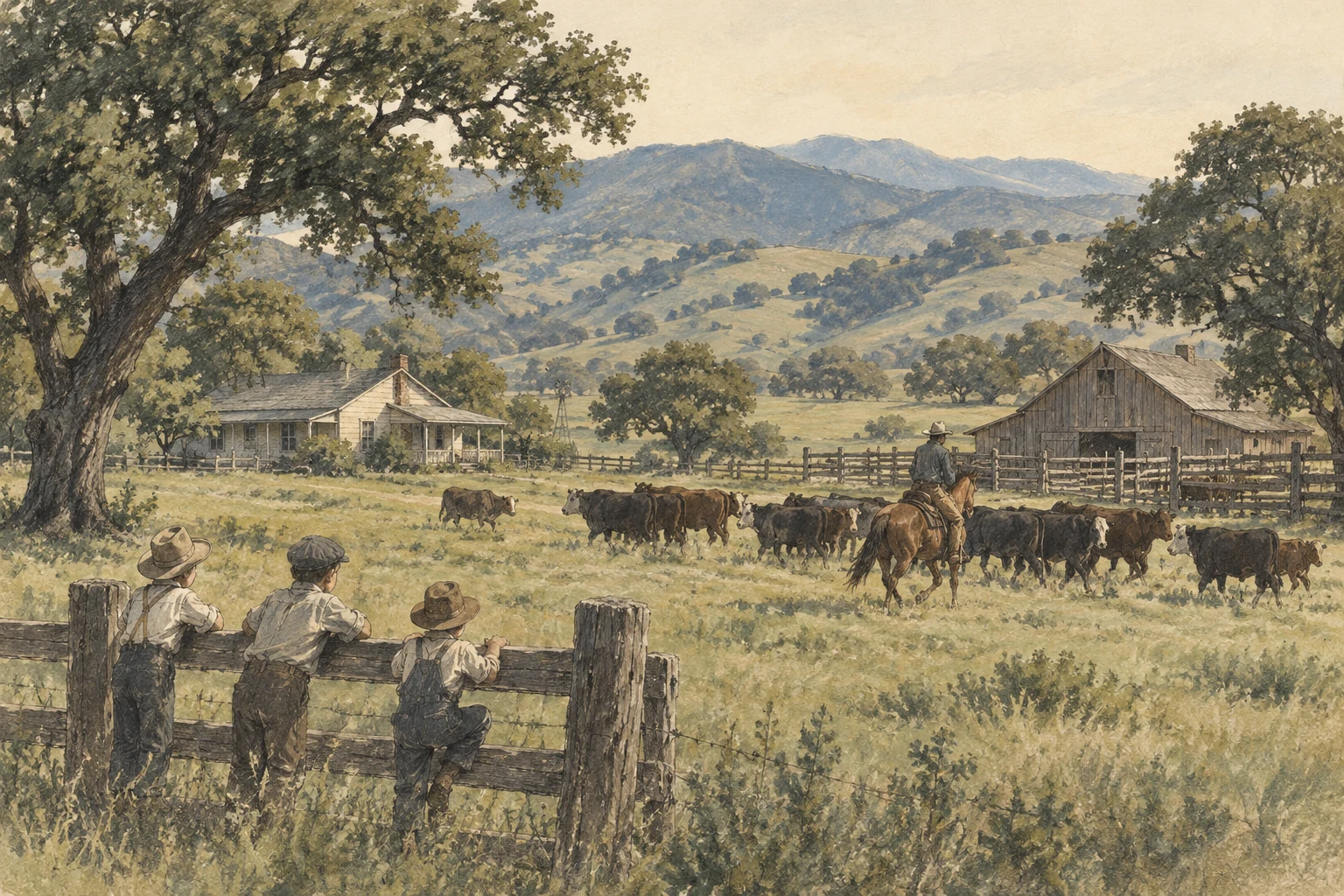
The Joel and Frances McCrea Ranch Foundation says McCrea bought and set up the ranch in the Santa Rosa Valley area of Ventura County in the early 1930s. His friend and mentor Will Rogers had advised him to have something to fall back on in case acting didn’t work out (McCrea Ranch Foundation). The couple built their home there and raised their three sons, Jody, David and Peter.
According to the foundation, the McCreas were active in the local community for many years. Parts of the ranch were sold for housing in the late 1950s and early 1960s, and that land now makes up much of the northern third of Thousand Oaks. Only a fraction of the original ranch remains.
From family ranch to public land
In 1995, five years after McCrea’s death, the family agreed to pass what was left of the ranch to the Conejo Recreation and Park District. The district describes the transfer as a donation of the ranch and family home, effective 2004. It credits McCrea’s friendship with Tex Ward, the district’s general manager emeritus, with laying the groundwork (Conejo Recreation and Park District). The Times credited the gift to Dee herself, and Peter McCrea gave the paper her reason: “She wanted to see kids running around the ranch, just as we had” (Los Angeles Times).
The ranch today
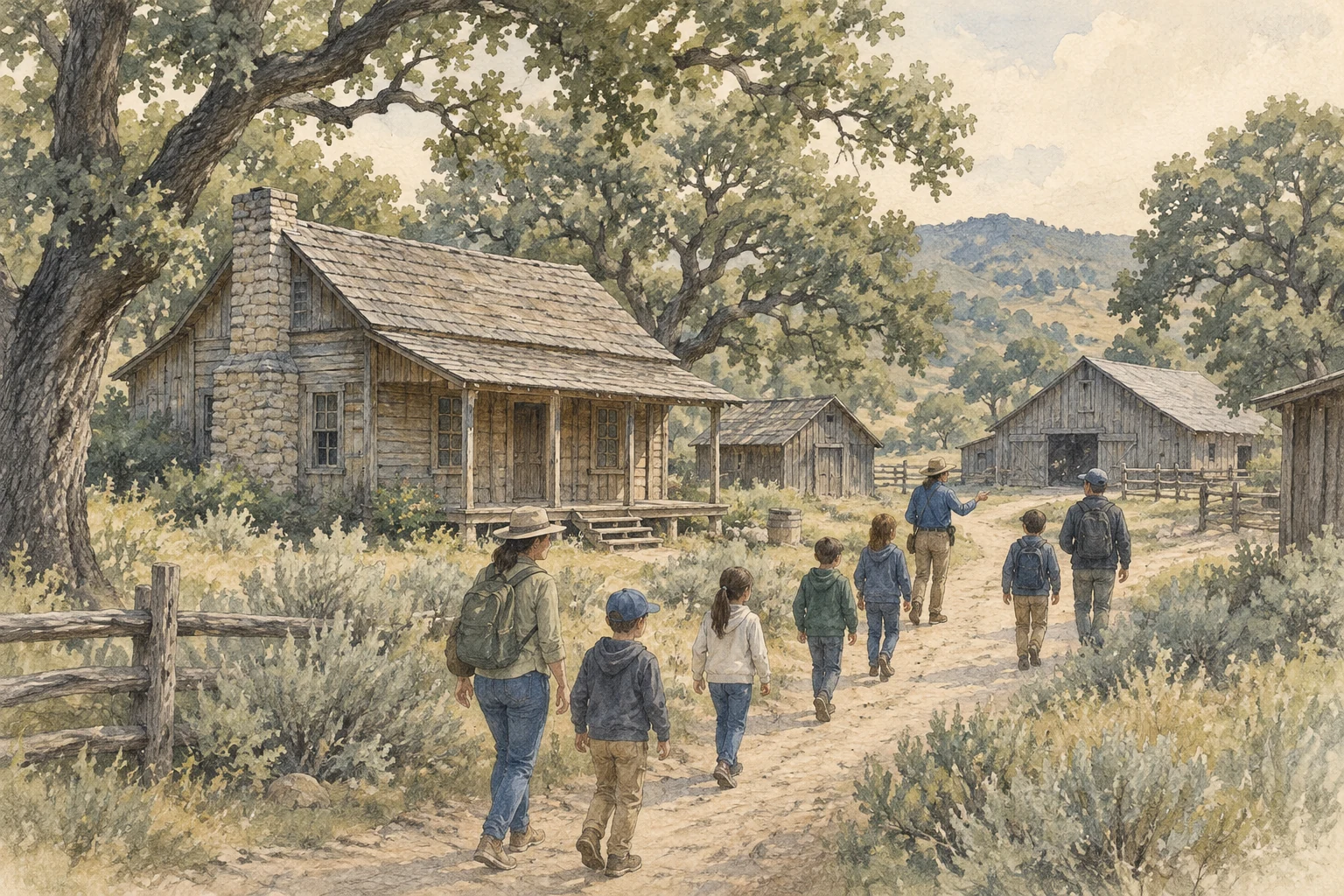
The district runs the ranch, and its ranch house and outbuildings are listed on the National Register of Historic Places. The district says its McCrea Ranch Visitor Center, at 4500 North Moorpark Road in Thousand Oaks, was completed in 2011 and offers interpretive, educational and cultural programmes. For now, visitors can reach the ranch only through scheduled events. The district says regular public hours will follow as the foundation builds up trained docents and volunteers (Conejo Recreation and Park District).
The foundation is a 501(c)(3) non-profit. It raises money to support the district’s restoration, preservation and educational work at the ranch (McCrea Ranch Foundation).
Frances Dee’s later years
Dee outlived her husband by more than 13 years. The Times says that in her later years she lived near her sons in New Mexico, where Jody and David were ranching around Roswell at the time of her death. While visiting Peter in Westport, Connecticut, she died at Norwalk Hospital in March 2004, aged 94. Peter told the paper that she had suffered a stroke, fallen and broken her leg, and died of pneumonia. Her three sons, six grandchildren and two great-grandchildren survived her (Los Angeles Times).
Key dates
| Date | Event | Source |
|---|---|---|
| 1929 | McCrea’s first feature role, in The Jazz Age | LA Times Star Walk |
| 1930 | Dee stars opposite Maurice Chevalier in Playboy of Paris | LA Times, 2004 |
| 20 October 1933 | Dee and McCrea marry | LA Times, 2004 |
| 20 October 1990 | McCrea dies, on their 57th wedding anniversary | LA Times Star Walk; LA Times, 2004 |
| 1995 | Family agrees to pass the ranch to the park district, effective 2004 according to the district | CRPD; Foundation |
| March 2004 | Dee dies, aged 94 | LA Times, 2004 |
| 2011 | McCrea Ranch Visitor Center completed | CRPD |
A shared ranch legacy
Their films are one record of the two careers. The other is in Ventura County, where the ranch the couple shared is now public land, run by a park district and open during scheduled events.
Sources
Dee’s biography here comes mainly from her 2004 Los Angeles Times obituary. McCrea’s career details come from a separate Los Angeles Times profile.
- Myrna Oliver, “Frances Dee, 94; Actress and Wife of Actor Joel McCrea”, Los Angeles Times, 10 March 2004. This obituary is the source for Dee’s career, the marriage and the family details. It also carries the quotations from A.C. Lyles, Peter McCrea and Leonard Maltin, and from Dee’s 2003 Boston Globe interview.
- Los Angeles Times, “Joel McCrea”, Hollywood Star Walk profile, undated, retrieved 22 November 2026. This profile is the source for McCrea’s early life, film career and death date.
- Joel and Frances McCrea Ranch Foundation, “Welcome to the Joel McCrea Ranch”, foundation home page, retrieved 22 November 2026. The foundation raises funds to support the ranch.
- Conejo Recreation and Park District, “McCrea Ranch Visitor Center”, retrieved 22 November 2026. The district is the public agency that now owns and runs the ranch.
About this article. CodeSight Media is the organisation byline for Evolvarium. This article draws on the newspaper profiles and ranch organisation pages listed above, and AI assisted with drafting and illustrations. The checks behind it were automated and model-based, not human fact-checking. Readers can report a correction through the contact page. Evolvarium’s editorial standards explain the research and illustration policy.
CodeSight Media · About Evolvarium · How we research and illustrate our stories · Report a correction
Leave a Reply